Video/Image
YouTube ... Quora ...Google search ...Google News ...Bing News
- Video/Image ... Vision ... Enhancement ... Fake ... Reconstruction ... Colorize ... Occlusions ... Predict image ... Image/Video Transfer Learning ... Classification ... Art ... Photography
- End-to-End Speech ... Synthesize Speech ... Speech Recognition ... Music
- Humor ... Writing/Publishing ... Storytelling ... Broadcast ... Journalism/News ... Podcasts ... Books, Radio & Movies - Exploring Possibilities
- Artificial Intelligence (AI) ... Generative AI ... Machine Learning (ML) ... Deep Learning ... Neural Network ... Reinforcement ... AI Algorithms & Learning Methods Navigator
- Conversational AI ... ChatGPT | OpenAI ... Gemini | Google ... Claude | Anthropic ... Bing | Microsoft ... Siri | Apple ... Meta AI/Muse | Meta ... Perplexity ... Grok | SpaceXSI ... Manus ... Ernie | Baidu ... DeepSeek ... Qwen | Alibaba ... Mistral
- Immersive Reality ... Metaverse ... Omniverse ... Transhumanism ... Religion ... Versions of Yourself
- Prompt Engineering (PE) ... PromptBase ... Prompt Injection Attack
- How can I leverage Artificial Intelligence (AI)? ... Reading/Glossary ... Education ... Help Wanted
- Embedding ... Fine-tuning ... RAG ... Distillation ... Alpaca ... Dimensional Reduction
- Clustering ... Recommendation ... Anomaly Detection ... Classification ...find outliers
- Rekognition Video
- DeepLens - deep learning enabled video camera
- Gaming ... Game-Based Learning (GBL) ... Security ... Generative AI ... Games - Metaverse ... Quantum ... Game Theory ... Design
- Recurrent Neural Network (RNN)
- Long Short-Term Memory (LSTM)
- ImageBind | Meta
AI for video and images covers two big jobs. The first is understanding what's in pictures and footage: classification, object detection, face recognition, captioning and video search. The second, which has exploded since 2022, is generation: creating and editing images, video and now synchronized sound from a text prompt, a sketch, a photo or an existing clip. Most modern generators are built on diffusion or transformer-based models, and the newest systems fold image, video and audio generation into a single multimodal model.
This page tracks the tools and models in both areas. Today's generators can produce photorealistic images with legible text, short cinematic clips with dialogue and sound effects, and conversational edits ("make it dusk and add rain"). They still struggle with long-form consistency, physics and precise control, and they raise real questions about copyright, consent and deepfakes (see Image or Video Forgeries below and Fake).
Recent Developments (2025 to 2026)
- Video gets sound (May 2025): Google's Veo 3 added native audio generation, so dialogue, sound effects and background noise are created together with the picture instead of being added afterward. Veo 3.1 followed in October 2025.
- Sora 2 rises and falls (September 2025 to September 2026): OpenAI launched Sora 2 with synchronized audio and a TikTok-style social app built around "cameos" of real users. Six months later OpenAI announced it was discontinuing Sora. The Sora web and app experiences closed on April 26, 2026, and the Sora API was discontinued on September 24, 2026.
- Nano Banana and Nano Banana Pro (2025): Google's Gemini 2.5 Flash Image, nicknamed Nano Banana, became one of the most popular image editors of 2025. Nano Banana Pro (Gemini 3 Pro Image, November 2025) added 2K and 4K output, much better text rendering and the ability to pull facts from Google Search into infographics and diagrams.
- OpenAI replaces DALL-E with GPT Image (2025 to 2026): image generation moved into OpenAI's GPT models. ChatGPT Images 2.0 (gpt-image-2, April 2026) added reasoning before drawing, 2K output and multi-image consistency, and ChatGPT Images 2.5 followed in September 2026. OpenAI retired the DALL-E 2 and DALL-E 3 API models on May 12, 2026.
- A crowded video field (early 2026): Lightricks released the open-weights LTX-2 in January, Kuaishou launched Kling 3.0 and ByteDance released Seedance 2.0 in February, and Luma shipped Ray3 updates (Q1 2026 roundup | Veed).
- Midjourney V8 (2026): Midjourney V8 arrived as an alpha on March 17, 2026, with faster generation, native HD output and better text rendering, followed by V8.1 in April 2026.
- Gemini Omni (May 2026): at Google I/O 2026, Google introduced Gemini Omni, a model family that generates and edits video from any mix of text, images, audio and video. The first model, Gemini Omni Flash, rolled out to the Gemini app, Google Flow and YouTube Shorts.
- Microsoft's own image models (2026): Microsoft launched the MAI-Image family, including MAI-Image-2.5 in May 2026, and Bing Image Creator now runs on MAI-Image-2.5.
- Provenance and the law: major generators now embed C2PA content credentials and invisible watermarks such as Google's SynthID. In the U.S., the TAKE IT DOWN Act (signed May 19, 2025) criminalizes publishing non-consensual intimate images, including deepfakes, and required covered platforms to remove reported content within 48 hours starting in May 2026.
Graphics, Illustration, and Visual Art Playgrounds
AI image-generation tools turn written descriptions, reference images, and sketches into visual artwork. They support illustration, photography, graphic design, advertising, character development, concept art, and visual experimentation.
- ChatGPT Images | OpenAI: Generate and edit images through conversational instructions. Experiment with character illustrations, infographics, poster designs, visual storytelling, and iterative editing. Try modifying one element of an existing composition while preserving the remaining scene.
- Midjourney: Create stylized illustrations, concept art, fantasy environments, portraits, and cinematic compositions. Explore how lighting, camera perspective, composition, and reference images influence the final result.
- Adobe Firefly: Experiment with image generation and creative editing, including integration with Adobe design workflows. Useful for graphic designers exploring backgrounds, illustrations, visual variations, and production assets.
- Ideogram: Generate illustrations, advertisements, posters, and designs that incorporate written text. Experiment with typography, logos, product packaging, and promotional graphics.
- Recraft: Explore AI-assisted graphic design, vector-style illustrations, icons, and branded visual assets. Compare raster and vector outputs when available.
- Leonardo.Ai: Generate concept art, game assets, character designs, textures, and visual prototypes. Experiment with reference images and visual consistency across related assets.
- Krea: Explore image generation, visual enhancement, and interactive creative workflows. Useful for experimenting with rapid visual iteration and style exploration.
- DreamStudio: Experiment with Stability AI image-generation technology and supported model settings. Explore prompt specificity, image dimensions, and variations.
- Civitai: Explore community-shared image-generation models and workflows. Useful for understanding how specialized models and adapters influence artistic styles. Community content and model licensing vary, and some material may be unsuitable for general audiences.
- Canva: Combine AI-assisted image creation with templates, typography, presentations, and conventional graphic-design tools. Useful for turning generated images into finished posters, brochures, and social media graphics.
Try these experiments:
- Artistic styles: Generate the same landscape as a watercolor painting, an impressionist oil painting, a technical illustration, and a photorealistic image.
- Character consistency: Create an original fantasy character, then depict that character in five different scenes while maintaining clothing, facial features, and proportions.
- Graphic design: Design a poster for an imaginary science-fiction movie. Specify the title, typography, composition, color palette, and intended audience.
- Game development: Generate a set of matching icons, playing cards, or character portraits. Evaluate whether the tool maintains consistent visual style and dimensions.
- Image editing: Generate a room interior, then change only the furniture, lighting, or wall color without altering the room's architecture.
Technical considerations: Image-generation systems commonly use diffusion or related generative architectures, although model designs vary. Important controls include aspect ratio, resolution, random seed, reference-image conditioning, inpainting, and image-to-image transformation. A seed can improve reproducibility within a particular model and configuration, but it doesn't guarantee identical results across model versions or services.
Text rendering, anatomical accuracy, precise object counts, spatial relationships, and consistent characters can still present challenges. For professional work, inspect outputs carefully and review licensing, attribution, privacy, and intellectual-property requirements.
Text to Image
- Bing Create | Microsoft ... create images from words with AI; Bing Image Creator now runs on Microsoft's own MAI-Image-2.5 model
- Designer | Microsoft ... focusing on designs; including posters, illustrations, and campaign artwork
INSANE AI Creates Realistic Images From Text! (DALL-E 2 OpenAI)
Clément Mihailescu on DALL-E 2 creating realistic images from text.
Image Synthesis From Text With Deep Learning | Two Minute Papers #116
Two Minute Papers on image synthesis from text.
DeepMind's AI Creates Images From Your Sentences | Two Minute Papers #163
Two Minute Papers on DeepMind's AI creating images from sentences.
Ideogram AI
YouTube ... Quora ...Google search ...Google News ...Bing News
Ideogram AI is a generative AI tool that creates photorealistic images and artworks using AI with reliable typography within images. It is a free-to-use tool that was launched in August 2023 by a team of former Google Brain researchers. Ideogram AI works by combining a pre-trained language model with a denoising diffusion model. The language model is responsible for generating the text, while the denoising diffusion model is responsible for generating the image. The two models work together to create images that are both realistic and meaningful. One of the key features of Ideogram AI is its ability to generate text within images. This is something that other generative AI tools, such as DALL-E 2 and Midjourney, have not been able to do as reliably. Ideogram AI can generate text in a variety of fonts, sizes, and styles, and it can also combine text with other visual elements, such as icons and illustrations.
Ideogram AI: Mind-blowing AI Image Generator that SOLVED TEXT (It's FREE)
On Ideogram, a free image generator that renders text well.
Firefly
YouTube ... Quora ...Google search ...Google News ...Bing News
Adobe Firefly is a creative generative AI engine that is part of Adobe Sensei’s Generative AI services. It is available in Photoshop (beta), Illustrator, Adobe Express, and on the web. With Firefly, you can dream it, type it, and see it. You can use text prompts to generate custom vectors, brushes, textures, images, videos, and 3D objectsFirefly includes various image modification tools such as content type, color, tone, lighting, and composition.
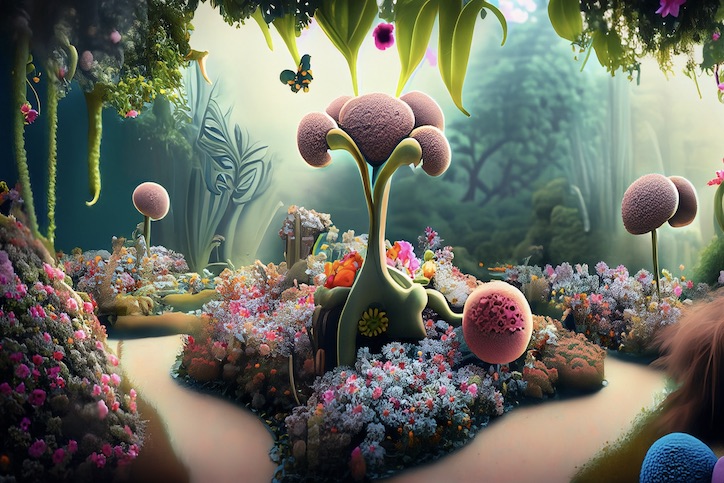
- Generate Images ... Generate images from a detailed text description
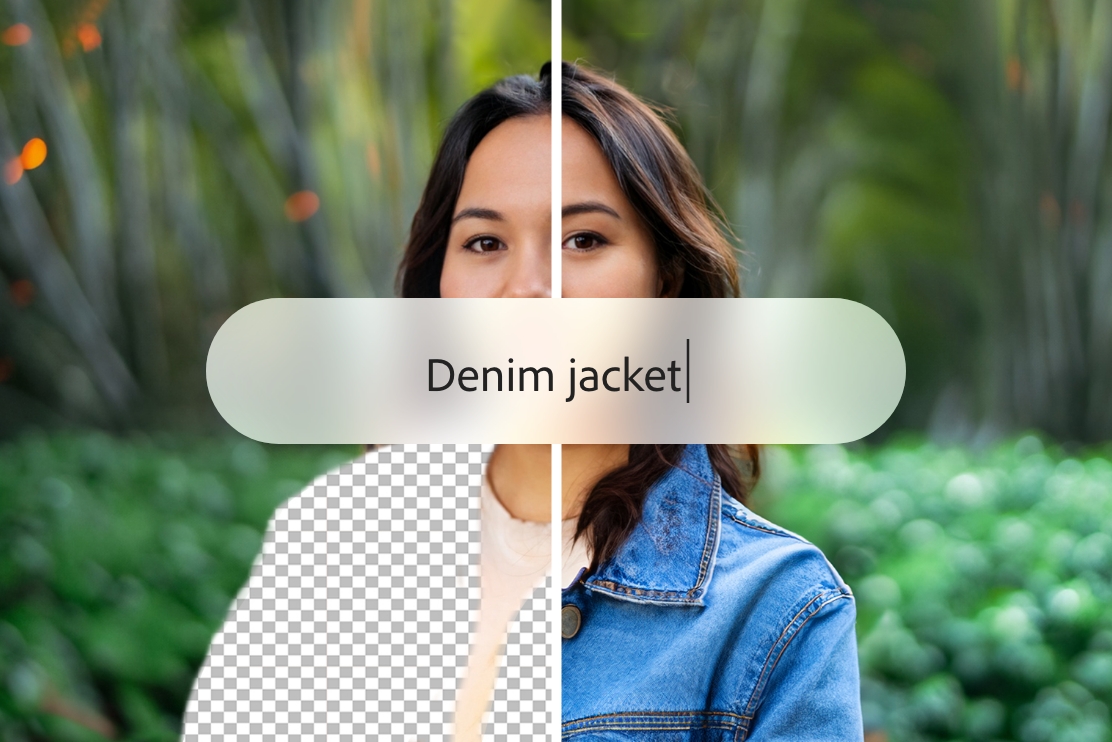
- Generate Fill ... Use a brush to remove objects, or paint in new ones from text descriptions
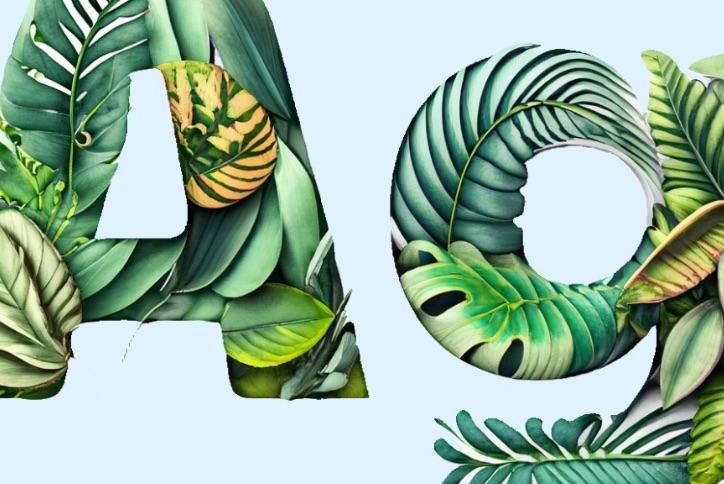
- Text Effects ... Apply styles or textures to text with a text prompt.
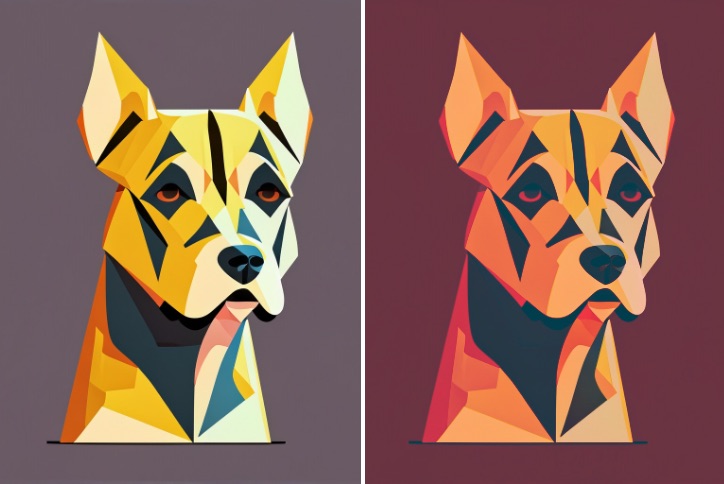
- Generative recolor ... Generate color variations of your vector artwork from a detailed text description.
Stable Diffusion
YouTube ... Quora ...Google search ...Google News ...Bing News
- Try Stable Diffusion here
- Stability AI
- Stable Diffusion with ControlNet
- Stable Diffusion | DreamStudio Lite beta
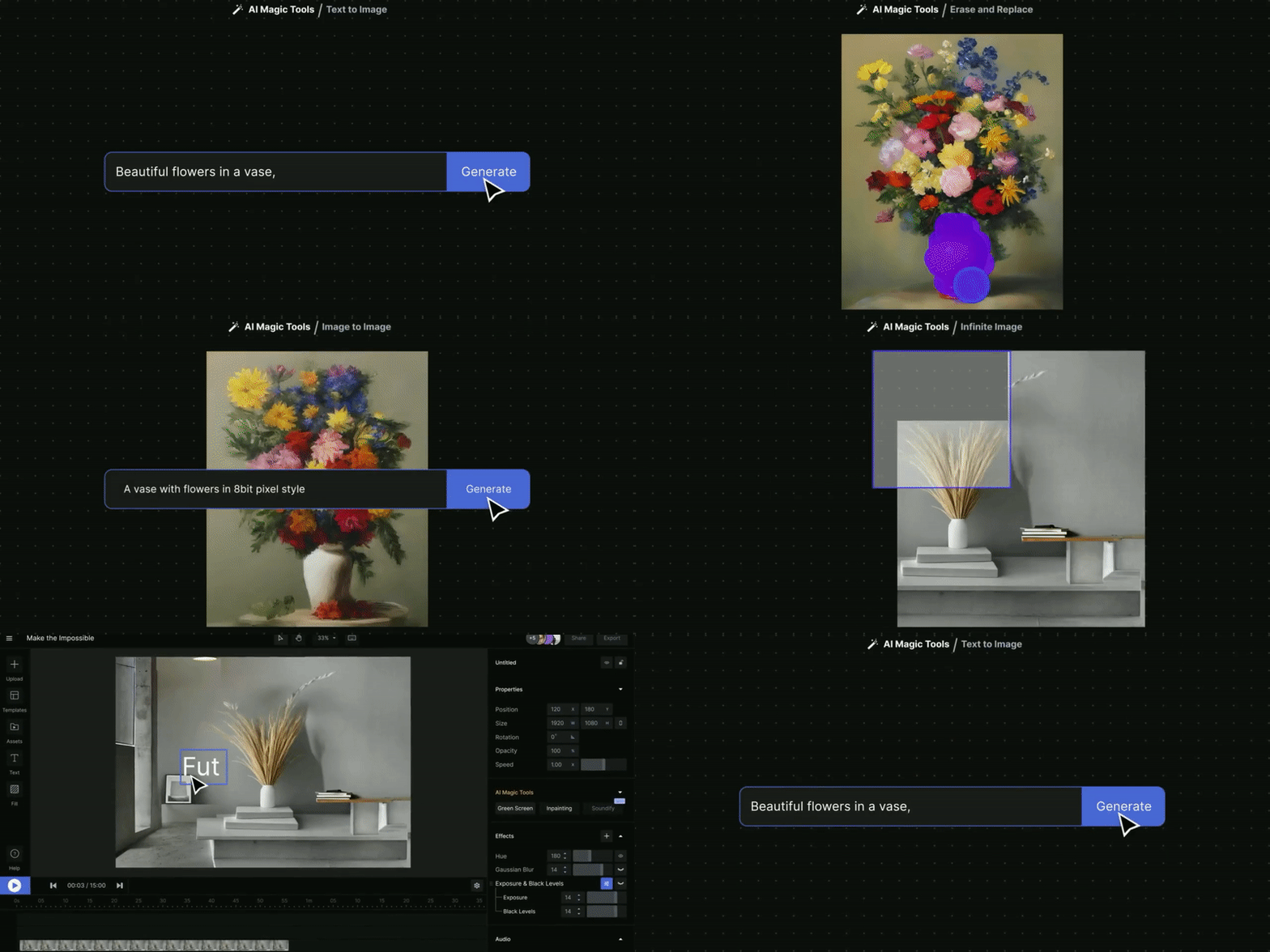
- Runway ... can edit videos in real-time, collaborate, and use more than 30 AI magic tools.
- LAION... Large-scale Artificial Intelligence Open Network
- EleutherAI
- Heidelberg University
A latent text-to-image diffusion model capable of generating photo-realistic images given any text input. Designing and implementing solutions using collective intelligence and augmented technology.
AI Art Explained: How AI Generates Images (Stable Diffusion, Midjourney, and DALLE)
Jay Alammar explains how AI image generators like Stable Diffusion, Midjourney and DALL-E work.
Stable diffusion tutorial. ULTIMATE guide - everything you need to know!
Sebastian Kamph's ultimate guide to Stable Diffusion.
ComfyUI - Node Based Stable Diffusion UI - THIS IS THE FUTURE!!!!!
Olivio Sarikas on ComfyUI, a node-based Stable Diffusion interface.
Generating Realistic AI Images with Stable Diffusion
NeuralNine generates realistic images with Stable Diffusion.
DALL-E
YouTube ... Quora ...Google search ...Google News ...Bing News
- Custom GPTs (retiring December 11, 2026)
- DALL·E 3 on Bing
- DALL·E 2 | OpenAI ...OpenAI’s DALL-E 2 AI image generator can now edit pictures, too | Adi Robertson - The Verge
- VALL-E ... Zero-Shot Text to Speech Synthesizer
DALL·E was OpenAI's AI system for creating realistic images and art from a description in natural language. Given a prompt, it could create a new image at a chosen size, edit an existing image, or create variations of an image a user provided. DALL·E 2 produced more realistic, accurate images at 4x the resolution of the original model, and DALL·E 3 (2023) was built into ChatGPT.
Status update: DALL·E has been retired. OpenAI moved image generation into its GPT Image models (ChatGPT Images 2.0 in April 2026 and ChatGPT Images 2.5 in September 2026) and shut down the dall-e-2 and dall-e-3 API models on May 12, 2026. See Recent Developments above.
Build your own AI Generation App using DALLE-2 and Bubble in 20 minutes
Building an AI image app with DALL-E 2 and Bubble.
👾 Artificial Intelligence for Everyone: Image Generation with MidJourney and Dall-e
Image generation with Midjourney and DALL-E for everyone.
MidJourney
YouTube ... Quora ...Google search ...Google News ...Bing News
- MidJourney
- Midjourney model versions ... V7 arrived in April 2025, and V8 launched as an alpha on March 17, 2026, with faster generation, native HD output and better text rendering, followed by V8.1 in April 2026
- Inpainting in Midjourney: A Comprehensive Guide | Keisha Oleaga - NFT Now
Runway Now Turns Midjourney Images into Videos: Generative video darling Runway has released a Gen 2 update with a feature that has really captured AI Twitter’s attention: the ability to automatically animate Midjourney images. This was a feature Pika Labs had also previously released, showing how competition is driving things forward.
MidJourney -Getting Started [New & Updated] A quick tutorial to get you started in AI art generation
Quick tutorial for getting started with Midjourney.
The ULTIMATE Beginner's Guide to MidJourney AI Art - MidJourney Tutorial & Explained Part 1
Beginner's guide to Midjourney AI art, part 1.
Image GPT
YouTube ... Quora ...Google search ...Google News ...Bing News
Image GPT is a generative AI model developed by OpenAI that uses a transformer architecture, similar to that of the GPT models for text, but adapted to handle images. Instead of generating text, Image GPT predicts pixel values in an autoregressive manner, allowing it to create, complete, or modify images.
Features:
- Pixel Autoregression: Image GPT generates images pixel-by-pixel, predicting each pixel's value based on previously generated ones, similar to how GPT models predict the next word in a sequence.
- Unsupervised Pretraining: The model is trained on a large dataset of images without specific labels, learning general representations of visual data. This unsupervised approach allows it to understand a wide variety of image types and patterns.
- Creative Image Generation: Image GPT can produce new and creative images by sampling from its learned distribution of pixel patterns.
- Image Completion: The model can fill in missing parts of an image or extend an existing image based on the learned patterns.
- Generalization Across Domains: Despite being trained without explicit supervision, Image GPT can generalize to tasks like image classification when fine-tuned or combined with labeled data.
- Compatibility with Transformer Architecture: Built on the transformer architecture, Image GPT benefits from its scalability and ability to model long-range dependencies effectively, even in images.
Image GPT: Generative Pretraining from Pixels (Paper Explained)
Yannic Kilcher explains Image GPT, generative pretraining from pixels.
Image GPT from OpenAI and next pixel prediction
Explains OpenAI's Image GPT and next-pixel prediction.
NVIDIA Canvas
YouTube ... Quora ...Google search ...Google News ...Bing News
AI-powered tool designed to help artists and creators quickly generate realistic landscape images. It uses artificial intelligence to turn simple brushstrokes into photorealistic landscapes, making it a valuable resource for concept artists, designers
Graphic Designer REACTS to Nvidia Canvas
A graphic designer reacts to NVIDIA Canvas.
Generating Landscapes with NVIDIA CANVAS & GauGAN2 - Tutorial
Generating landscapes with NVIDIA Canvas and GauGAN2.
Imagen
YouTube ... Quora ...Google search ...Google News ...Bing News
Imagen is an AI system developed by Google AI that can create photorealistic images from text descriptions. It is still under development, but it has already surpassed other text-to-image models in terms of image quality and diversity. Imagen works by first encoding the text description into a sequence of numbers. This sequence is then used to generate a low-resolution image. The image is then gradually refined until it reaches the desired resolution. Imagen is trained on a massive dataset of text and images. This dataset includes text descriptions of images, as well as the actual images themselves. This allows Imagen to learn the relationship between text and images, and to generate images that are consistent with the text descriptions. Imagen is still under development, but it has the potential to revolutionize the way we create and interact with images. It could be used to create new forms of art, to generate realistic images for use in movies and video games, and to help people with visual impairments see the world around them.
Update: Imagen is no longer just a research project. Google released Imagen 4 alongside Veo 3 at I/O in May 2025, and its Gemini image models (Nano Banana and Nano Banana Pro) are now the main way most people make images with Google's AI.
Imagen Review: An AI-Powered Photo Editor
Review of Imagen, an AI photo editor.
Imagen - AI Editing a Full Session [Demo]
Demo of Imagen AI editing a full photo session.
Recraft
YouTube ... Quora ...Google search ...Google News ...Bing News
Recraft is a generative AI tool that allows users to create customized images or graphics with ease. It is designed to provide intuitive visual content creation for tasks like making social media graphics, custom illustrations, product mockups, and other creative assets. Recraft V3, also known as Red Panda AI, is a state-of-the-art text-to-image generation model developed by Recraft, a London-based AI company specializing in high-quality graphic design tools. This model has gained significant attention for its ability to produce detailed and photorealistic images from textual descriptions, making it a valuable tool for designers, artists, and creatives.
Recraft Your AI Images For A Unique Spin
Reworking AI images with Recraft.
Recraft AI 3 Tutorial: BEST! AI Image Generator & Design Studio
Recraft AI 3 tutorial.
Text to Presentation
These tools use AI to automate the process of creating presentations, making it easier for users to focus on their content and ideas. They typically offer a variety of features, such as:
- A library of pre-designed templates
- An AI-powered content assistant that can help with formatting, design, and style
- The ability to embed images, videos, and other media
- Real-time collaboration tools
- Analytics to track presentation views and engagement
These tools can be a valuable resource for anyone who needs to create presentations, but they are particularly useful for professionals who need to create polished and professional presentations on a regular basis. Here is a brief overview of each tool:
- Gamma AI is a cloud-based tool that uses AI to create presentations that are both visually appealing and engaging. It offers a variety of templates and features, and it can be used to create presentations for a variety of purposes.
- Tome (discontinued) was a web-based tool that let users create presentations in a more traditional way, with AI-powered features such as content ideas and design suggestions. Tome shut down its presentation product in April 2025 after pivoting to sales tools.
- Beautiful.ai is a popular AI presentation tool that offers a wide range of features, including a large library of templates, an AI-powered content assistant, and the ability to collaborate with others on presentations.
- Simplified is a more general-purpose productivity tool that can be used to create presentations, documents, and other types of content. It offers a variety of features, including a drag-and-drop editor, a library of templates, and the ability to collaborate with others.
These presentation tools that helps you create presentations, documents, and webpages quickly and easily. It uses a variety of machine learning algorithms to understand your content and generate visually appealing and engaging presentations. The tools work by first asking you to provide a brief description of your presentation. This can be a few sentences or a few paragraphs. The tool will then use this description to generate a presentation outline. The outline will include the main points of your presentation, as well as the supporting evidence. Once the outline is generated, the tool will then begin to create the presentation slides. It will use its machine learning algorithms to select the appropriate images, graphics, and fonts for each slide. It will also automatically format the text and arrange the elements on the slide in a visually appealing way. The tool can also be used to create documents and webpages. The process is similar to creating a presentation, but you will need to provide more detailed instructions for the tool. For example, you will need to specify the document or webpage layout, the font styles, and the colors.
Never Design A Presentation Again: BEST AI Presentation Creator
AI tools for creating presentations.
Using ChatGPT and Beatiful.ai to Create a Professional Powerpoint Presentation in MINUTES?!
Creating a presentation with ChatGPT and Beautiful.ai.
Image to Content Analysis: Vision-based Web Scraping
Vision-based web scraping with GPT-4o in Make.com is a new approach that leverages the power of AI to extract data from websites. Overall, vision-based web scraping with GPT-4o in Make.com is a promising new technique that simplifies data extraction and adds an analysis layer. It's worth exploring if you're looking for a more user-friendly and adaptable approach to web scraping. Here's a breakdown of how it works:
1. Taking a Screenshot: Make.com itself can't capture screenshots directly. You'll need a third-party service like Dumpling.ai to grab an image of the target webpage.
2. GPT-4o Analysis: This is where Make.com comes in. You can use a module like "Chat GPT" (assuming it offers GPT-4o access) and feed the screenshot into the system.
3. Extracting Data with Prompts: Here's the cool part. You provide GPT-4o with instructions phrased as prompts. These prompts tell the model what kind of data to extract from the screenshot.
For instance, you could prompt GPT-4o to "extract all cryptocurrency prices and the fear and greed index" from a screenshot of CoinMarketCap.
4. Structured Output: GPT-4o doesn't just provide raw text; it can interpret the webpage structure and return the data in a structured format, like JSON. This makes it easier to use the extracted data in other parts of your Make.com automation.
Benefits of Vision-based Scraping:
- Reduced Coding: Compared to traditional scraping methods that rely on parsing HTML, this approach is more user-friendly and requires minimal coding.
- Adaptability: GPT-4o can handle complex website layouts that might be challenging for traditional methods.
- Data Analysis: GPT-4o goes beyond just extracting data. It can also analyze the information and provide insights based on your prompts.
Things to Consider:
- Limited Availability: GPT-4o access might be limited or require specific subscriptions depending on the platform you use (e.g., Chat GPT).
- Accuracy: While powerful, GPT-4o might still require some fine-tuning of prompts to ensure accurate data extraction, especially for intricate websites.
Vision-based Web Scraping with the New GPT-4o model in Make.com
Vision-based web scraping with GPT-4o in Make.com.
Vision-based Web Scraping with the New GPT-4o model
Vision-based web scraping with GPT-4o.
Image to Image
- Immersive Reality ... Metaverse ... Omniverse ... Transhumanism ... Religion ... Versions of Yourself
- Extrapolate ... See how well you age with AI, curious how you'll look in 10 years? 20 years? When you're 90? Upload a photo and find out!
See how well you age using AI #shorts
Short video using AI to show how you might age.
- Scribble Diffusion ... turns any hand sketches into images; sketch anything you want, provide a small description
Scribble Diffusion
Demo of Scribble Diffusion, which turns sketches into images.
Video Synthesis
- Sunspring - Movie written by algorithm
- ChatGPT maker OpenAI exploring how to 'responsibly' make AI erotica | Bobby Allyn - NPR... Document intended to gather feedback on the rules for its products
- Tools
- QuickVid uses AI to generate short-form videos, complete with voiceovers | Kyle Wiggers - TechCrunch - It's a demonstration of what's possible with today's AI -- and the outstanding challenges.... QuickVid chooses a background video from a library, writes a script and keywords, overlays images generated by DALL·E 2 and adds a synthetic voiceover and background music from YouTube’s royalty-free music library.
- Watch the first major music video generated by OpenAI’s Sora | Elizabeth de Luna - Mashable
- Synthesia ... Create professional videos without mics, cameras, or actors, turn your text into high-quality videos with AI avatars and voiceovers — in over 120 languages.
- Papercup ... go global with your existing video content using AI dubbing.
- Viggle
- RunwayML
- CapCut
- Noisee
- PixVerse
- Haiper
- Pika
Movies, Animation, and Video Playgrounds
AI video generators can create short moving sequences from text prompts, still images, or reference footage. These tools are useful for storyboarding, animation, advertising concepts, educational demonstrations, visual effects, and independent filmmaking.
- Sora | OpenAI: discontinued. Sora let people explore AI video generation and editing with cinematic prompts, visual storytelling, camera movement and scene composition, but OpenAI closed the Sora web and app experiences on April 26, 2026 and shut down the Sora API on September 24, 2026.
- Runway: Create and modify video using generative AI tools. Experiment with text-to-video, image-to-video, motion control, and creative editing workflows supported by the selected model.
- Veo | Google DeepMind: Explore Google's generative video technology, including cinematic scene creation and supported audio-generation capabilities. Access may be provided through Google products or developer services. In May 2026 Google added Gemini Omni Flash, which generates and edits video from text, images, audio and video, in the Gemini app, Google Flow and YouTube Shorts.
- Kling AI: Generate video clips from text descriptions and reference images. Experiment with character movement, environmental animation, and camera motion.
- Luma AI: Explore generative video and creative production workflows. Experiment with animated environments, visual transitions, and cinematic concepts.
- Pika: Create short AI-generated animations and visual effects. Useful for transforming still images into moving scenes and experimenting with stylized motion.
- Hailuo AI: Experiment with text-to-video and image-to-video generation. Compare motion quality, subject consistency, and prompt adherence.
- HeyGen: Create presenter-style videos and talking-avatar content. Explore educational explanations, multilingual presentations, and scripted video communication.
- Synthesia: Generate presenter-led videos using AI avatars and text scripts. Useful for training, instructional media, and business presentations rather than open-ended cinematic filmmaking.
- CapCut: Combine conventional video editing with AI-assisted effects, captions, background removal, and other supported creative features. Useful for assembling short AI-generated clips into a finished video.
Try these experiments:
- Cinematic scene: Generate a short sequence showing an astronaut exploring an abandoned research station on Mars. Specify lighting, camera angle, pacing, and atmosphere.
- Animate a photograph: Start with a still image of a sailing ship and create realistic movement involving waves, clouds, sails, and camera motion.
- Storyboard a movie: Write a 60-second story, divide it into six shots, and generate a short clip for each shot. Assemble the clips in a video editor.
- Visual continuity: Generate several shots featuring the same character and location. Evaluate whether appearance, clothing, lighting, and environment remain consistent.
- Educational animation: Create a short visual explanation of planetary orbits, cellular biology, or a historical event. Independently verify scientific and historical accuracy.
- Movie genre experiment: Describe one scene and generate versions using film noir, documentary, fantasy, and animated-film aesthetics.
Technical considerations: Video generation introduces temporal consistency challenges. A convincing individual frame doesn't guarantee physically plausible motion across an entire clip. Characters, objects, backgrounds, and lighting can change unexpectedly between frames or shots.
Check the maximum supported clip duration, resolution, frame rate, aspect ratio, audio synchronization, editing controls, and generation costs. Producing a complete film generally requires multiple generations, selection of usable clips, editing, sound design, and postproduction.
Some services support synchronized audio, but others generate silent video that requires separate music, dialogue, and sound effects. Never assume that a generated clip accurately depicts real events.
7 FREE AI Video Tools: Bring Ideas to Life
Futurepedia covers seven free AI video tools.
MIT's Deep-learning system generates Videos that predict what will happen next in a scene | QPT
MIT's deep learning system that generates videos predicting what happens next in a scene.
Text-to-Video
- Microsoft will launch ChatGPT 4 with AI videos next week | Alex Blake - Digital Trends ... will have multimodal models
- HeyGen ... includes voice cloning and text-to-speech
- D-ID ... Digital People - Create and interact with talking avatars at the touch of a button, to increase engagement and reduce costs.
- Make-A-Video | Meta ... generates videos from text, add motion to a single image or fill-in the in-between motion to two images.
- Imagen | Google ... pretrained on text-only corpora, are surprisingly effective at encoding text for image synthesis
- runwayML ... workflows, including video editing, image generation, and machine learning model training
Best 3 Text to Video AI Generators to Make Money with AI
Three text-to-video AI generators.
Veo
- Google unveils Veo, a high-definition AI video generator that may rival Sora | Ben Edwards - ARS Technica... Google's video-synthesis model creates minute-long 1080p videos from written prompts.
Veo is a powerful AI video generator developed by Google DeepMind. It can create high-quality, 1080p resolution videos in various cinematic styles based on text descriptions and even image or video prompts you provide. Imagine describing a fast-paced journey through a neon-lit futuristic cityscape, and Veo can bring that vision to life in a video exceeding a minute long. It can also understand and follow up on additional prompts to refine your video further
Google's Veo Generative AI for Video Revealed Alongside Music AI Sandbox
CNET on Google's Veo video model and Music AI Sandbox.
Pika
- Pika
- Eleven Labs ... brings lifelike voices for storytelling
AI video wars heat up as Pika adds Lip Sync powered by Eleven Labs
Lip Syncing Has Never Been Easier | Pika AI Video Tutorial
Pika AI video tutorial on lip syncing.
Krea
Krea AI Tool | AI Image Enhancement Tool
Krea AI image enhancement tool.
Picasso
Picasso | NVIDIA a cloud service that allows you to build generative AI-powered visual apps, is available. Software creators, service providers, and enterprises can run inference on models, train NVIDIA Edify foundation model models on proprietary data, and start from pre-trained models to create image, video, or 3D content from text prompts.
NVIDIA Edify, a Cloud-Based Generative AI Service for Creating Images, Videos, and 3D Applications
NVIDIA Edify, a cloud generative AI service for images, video and 3D.
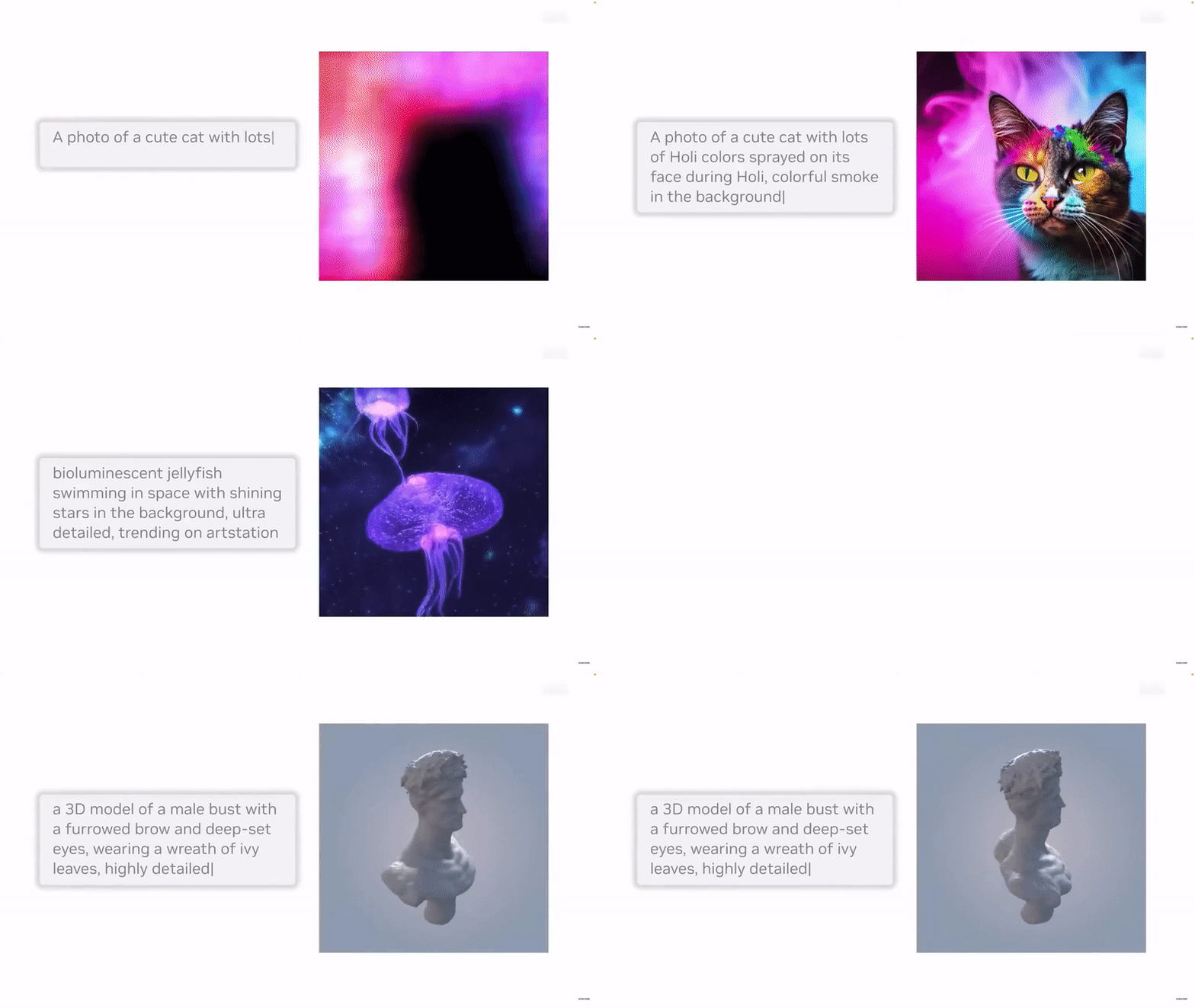
Watch Me Forever
“Watch Me Forever” is a channel on Twitch that streams AI-generated content. One of their streams is an AI-generated version of Seinfeld. The Twitch channel uses generative artificial intelligence to create an infinite stream of content. For example, their AI-generated version of Seinfeld called “Nothing, Forever” uses text generation from OpenAI’s GPT-3 models and speech from Azure Cognitive Services. They also have proprietary generative algorithms that they collectively call the ‘director,’ which is responsible for making sure all the individual pieces come together into a whole.
Nothing, Forever - Best Clips (AI Seinfeld) [Season 1]
Best clips from Nothing, Forever, an AI-generated sitcom parodying Seinfeld.
Image-to-Video
Youtube search... ...Google search
- Immersive Reality ... Metaverse ... Omniverse ... Transhumanism ... Religion ... Versions of Yourself
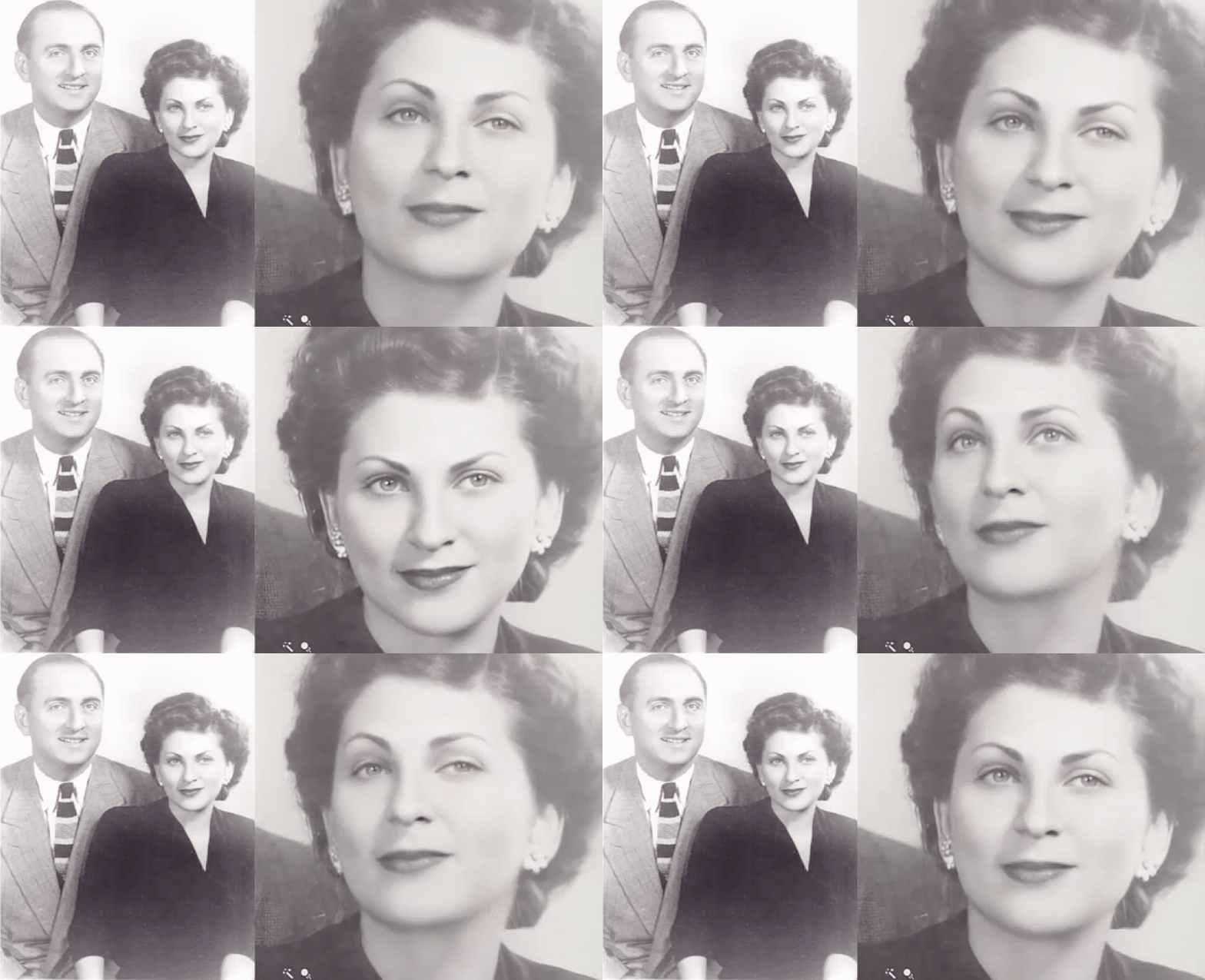
- Deep Nostalgia™
"The draw here is that visual imagery is visceral and compelling and we respond to it," says Hany Farid, associate dean and head of the School of Information at UC Berkeley. "We are visual beings. When you see your grandmother or Mark Twain come alive, there's something fascinating about it." A new program can animate old photos. But there's nothing human about artificial intelligence | AJ Willingham - CNN
Deep Nostalgia™ allows you to animate the faces in your old family photos. Utilizing state-of-the-art deep learning technology licensed by MyHeritage from D-ID, Deep Nostalgia™ creates high-quality, realistic video footage from still photos.
Video-to-Video
Youtube search... ...Google search
NVIDIA’s AI Puts Video Calls On Steroids! 💪
Two Minute Papers on NVIDIA AI that enhances video calls.
NVIDIA Vid2Vid: AI-Based Video-to-Video Synthesis!
Two Minute Papers on NVIDIA's vid2vid video-to-video synthesis.
Video-to-Video Synthesis (NeurIPS 2018)
NeurIPS 2018 presentation of video-to-video synthesis.
Few-Shot Video-to-Video Synthesis (NeurIPS 2019)
NeurIPS 2019 presentation of few-shot video-to-video synthesis.
Video Editing
Youtube search... ...Google search
- Start podcasting with Descript | Descript
- The 10 Best AI Video Editor Tools: Create Better Videos | FindNewAI
- Jumptvs
- Adobe Premiere
- Runway ... can edit videos in real-time, collaborate, and use more than 30 AI magic tools.
- Levatas
- Banuba
In the last few years, artificial intelligence (AI) and machine learning (ML) have both started to feature more prominently in technology. That is especially the case in video editing, where artificial intelligence is being integrated with more and more ways. How Artificial Intelligence is Transforming Video Editing | TechnologyHQ
Simple Editing App For Video (Descript Video Editing Tutorial)
Descript video editing tutorial.
Video Editing with Descript
Video editing with Descript.
The Craziest A.I. Video Editing Tech I've Ever Seen
A look at advanced AI video editing technology.
Software that Edits Your Videos Automatically?
Software that edits videos automatically.
Captioning
Youtube search... ...Google search
|
|
|
|
|
|
|
|
Style-Based Generator Architecture
A Style-Based Generator Architecture for Generative Adversarial Networks
Tero Karras presents StyleGAN, a style-based generator architecture for GANs.
Runway
Runway ... can edit videos in real-time, collaborate, and use more than 30 AI magic tools.
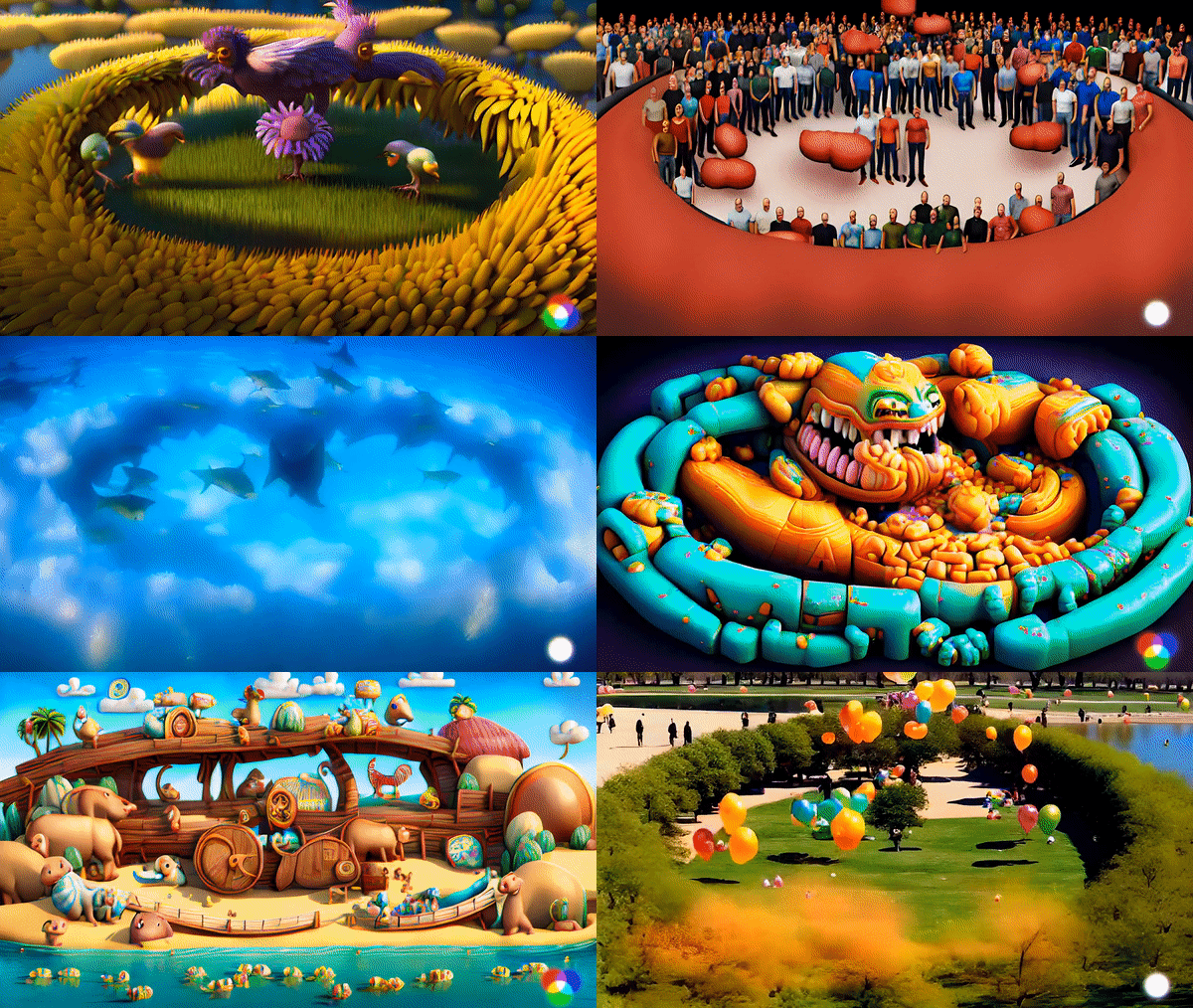
Introduction to Runway: Machine Learning for Creators (Part 1)
The Coding Train introduces Runway, machine learning for creators, part 1.
Making an Audio-Reactive AI-generated Video: RunwayML and TouchDesigner
Making an audio-reactive AI video with RunwayML and TouchDesigner.
Youtube search... ...Google search
Deepfakes open source FaceSwap Using Python (cloning Github and installation from scratch)
Installing the open-source FaceSwap deepfake tool in Python.
Face swap in Python, opensource
Open-source face swap in Python.
Image or Video Forgeries
Youtube search... ...Google search
- FaceForensics: A Large-scale Video Dataset for Forgery Detection in Human Faces | A. Rössler, D. Cozzolino, L. Verdoliva, C. Riess, J. Thies & M. Nießner ...paper
Detection and provenance today: spotting fakes by eye keeps getting harder as generators improve, so the industry is leaning on provenance as well as detection. Many generators now attach C2PA "content credentials" metadata, and Google's invisible SynthID watermark marks images from its models; ChatGPT Images 2.5 also adds C2PA metadata. Metadata can be stripped, though, so watermarks and detectors work best together. On the legal side, the U.S. TAKE IT DOWN Act (May 2025) criminalizes publishing non-consensual intimate images, including AI deepfakes, and requires covered platforms to remove them within 48 hours of a valid request.
FaceForensics: A Large-scale Video Dataset for Forgery Detection in Human Faces
Presents FaceForensics, a large video dataset for detecting forged faces.
I built a Secret AI Youtube Channel
- Katherine AI shorts
- SirajRaval
- Katherine AI - Colaboratory
- Katherine AI Automation Script - Colaboratory
I challenged myself to earn $100 in the first 3 days of starting a secret AI generated Youtube channel! I didn't use any of my existing connections to promote the channel and used AI tools like ChatGPT, MidJourney, and D-ID every step of the way to automate my own job as a Machine Learning Educator. I've open sourced all the code i used because I want more people to do this, AI avatars are going to be on social media alongside humans, building followers and influencing society. Was I successful in my goal? Find out in this video!
I Built a Secret AI Youtube Channel
Siraj Raval builds a secret AI-run YouTube channel.
Look here
GPT VIDEO UNDERSTANDING Unveiled: 11 Bombshell Next Gen AI Abilities Using Ask-Anything
On GPT video understanding with Ask-Anything.
Upscaling my Videos using AI
Upscaling videos with AI.
This Short Film Is Written Entirely By AI
A short film written entirely by AI.
Botnik - Live Procedurally Generated Comedy
Botnik performs live procedurally generated comedy.
How to Generate Video - Intro to Deep Learning #15
Siraj Raval shows how to generate video (Intro to Deep Learning #15).
Deep Audience Insights - Profiler (by Social Karma)
Social Karma's Profiler for deep audience insights.
When A.I. Becomes Creative
ColdFusion on when AI becomes creative.
Image Completion AI - Predict Pixels Just Like Text Predictions [Image-GPT]
bycloud on Image GPT, which completes images by predicting pixels.
How to Generate Images - Intro to Deep Learning #14
Siraj Raval shows how to generate images (Intro to Deep Learning #14).
References
- Papercup; go global with your existing video content using AI dubbing
- Is Artificial Intelligence Poised to Revolutionize Hollywood?
- "Trashy Video Classifier" An Artificial Intelligence System by Google That Cleans up YouTube Homepage | Chris Apostle - Digital Information World
- Hey Netflix, Here’s How You Can Use AI To Optimize Content Production | Pavel Saskovec - Cognitive Mill
- Netflix Faces Backlash After Using AI Software To Create Backgrounds For An Animated Short | Jamie Lang - Cartoon Brew
- Researchers translate brain waves into scarily accurate images using Stable Diffusion AI | Katie Wickens - PC Gamer ... Researchers have been able to use Stable Diffusion models to reconstruct images from human brain waves.
- Craiyon
- Tom Hanks says with AI he could appear in movies after death; star’s projects that have already used the tech | Caroline Thayer - Yahoo News
- VideoPoet | Google ... A large language model for zero-shot video generation
- The Oscars officially don’t care if films use AI | Wes Davis - The Verge ... using AI doesn’t, on its own, hurt a movie’s chances