Difference between revisions of "Cybersecurity Frameworks, Architectures & Roadmaps"
m |
m (Text replacement - "http:" to "https:") |
||
| Line 1: | Line 1: | ||
| − | [ | + | [https://www.youtube.com/results?search_query=cyber+security+defense+RSA+malware+detect+framework+architecture+roadmap+artificial+intelligence+deep+learning Youtube search...] |
* [[Case Studies]] | * [[Case Studies]] | ||
| Line 10: | Line 10: | ||
* [[Capabilities]] | * [[Capabilities]] | ||
* [[Explainable / Interpretable AI#Trust|Trusted AI]] | * [[Explainable / Interpretable AI#Trust|Trusted AI]] | ||
| − | * [ | + | * [https://www.nist.gov/cyberframework NIST Cybersecurity Framework] - consists of standards, guidelines, and best practices to manage cybersecurity-related risk. |
| − | * [ | + | * [https://www.fedramp.gov/ NIST FedRAMP] security for the cloud |
| − | * [ | + | * [https://www.us-cert.gov/ United States Computer Emergency Readiness Team (US-CERT)] |
| − | * [ | + | * [https://mva.microsoft.com/en-US/training-courses/cybersecurity-reference-architecture-17632?l=sa3b33xtD_404300474 Cybersecurity Reference Architecture | Microsoft] |
| − | * [ | + | * [https://www.iso.org/standard/50341.html ISO/IEC 15408-1 ISO/IEC Information Technology Task Force (ITTF)] |
| − | * [ | + | * [https://csrc.nist.gov/Projects/Cryptographic-Module-Validation-Program/Standards FIPS 140-2 Security Requirements for Cryptographic Modules] |
| − | * [ | + | * [https://securityintelligence.com/how-stix-taxii-and-cybox-can-help-with-standardizing-threat-information/ How STIX, TAXII and CybOX Can Help With Standardizing Threat Information] |
| − | * [ | + | * [https://www.oasis-open.org/committees/tc_home.php?wg_abbrev=cti OASIS Cyber Threat Intelligence (CTI) TC] [https://openc2.org/ OpenC2] |
| − | * [ | + | * [https://www.dhs.gov/using-cybersecurity-framework Using the Cybersecurity Framework] |
Not necessarily restricted to artificial intelligence-based solutions. | Not necessarily restricted to artificial intelligence-based solutions. | ||
| Line 36: | Line 36: | ||
<youtube>pDra0cy5WZI</youtube> | <youtube>pDra0cy5WZI</youtube> | ||
<b>How to Build a Cybersecurity Program based on the NIST Cybersecurity Framework | <b>How to Build a Cybersecurity Program based on the NIST Cybersecurity Framework | ||
| − | </b><br> | + | </b><br>https://www.nhls.com - The NIST Cybersecurity Framework (CSF) provides a prioritized, flexible, repeatable, performance-based, and cost-effective approach to managing cybersecurity risk at all levels in an organization. It is applicable to organizations of all sizes and sectors. This webinar addresses using the NIST Cybersecurity Framework and the following topic areas: (a) Today’s cybersecurity landscape and cyber risks; (b) Considerations for building a cybersecurity program (engineering, technology and business); (c) Adopting the NIST Cybersecurity Framework; (d) Cyber-Risk Assessments, executive scorecards, and roadmaps to remediate control gaps; and (e) Resources. |
|} | |} | ||
|}<!-- B --> | |}<!-- B --> | ||
| Line 92: | Line 92: | ||
= Trusted Internet Connections (TIC) 3 = | = Trusted Internet Connections (TIC) 3 = | ||
| − | * [ | + | * [https://www.cisa.gov/trusted-internet-connections Trusted Internet Connections | Cybersecurity & Infrastructure Security Agency,] [[Government Services#Department of Homeland Security (DHS)| Department of Homeland Security (DHS)]] |
{|<!-- T --> | {|<!-- T --> | ||
| valign="top" | | | valign="top" | | ||
| Line 118: | Line 118: | ||
<youtube>1D5mg9an19o</youtube> | <youtube>1D5mg9an19o</youtube> | ||
<b>What is Zero Trust Security? | <b>What is Zero Trust Security? | ||
| − | </b><br>Zero Trust security is no longer just a concept. It has become an essential security strategy that helps organizations protect their valuable data in a “perimeter-everywhere” world. Get the Ultimate Zero Trust Guide: | + | </b><br>Zero Trust security is no longer just a concept. It has become an essential security strategy that helps organizations protect their valuable data in a “perimeter-everywhere” world. Get the Ultimate Zero Trust Guide: https://bit.ly/2ObCwrS Zero Trust Networks is about having the ability to “Divide and Rule” your network in order to reduce the risk of lateral movement so, in the event of a breach, the threat is easily contained and isolated. Learn more and visit, https://bit.ly/2QFx1U9 for your guide to Absolute Zero Trust security |
|} | |} | ||
|<!-- M --> | |<!-- M --> | ||
| Line 126: | Line 126: | ||
<youtube>MSbkC2upop8</youtube> | <youtube>MSbkC2upop8</youtube> | ||
<b>Implementing a zero trust security model at [[Microsoft]] | BRK2240 | <b>Implementing a zero trust security model at [[Microsoft]] | BRK2240 | ||
| − | </b><br>The traditional perimeter-based network defense is obsolete. Perimeter-based networks operate on the assumption that all systems within a network can be trusted. However, today’s increasingly mobile workforce, the migration towards public cloud services, and the adoption of Bring Your Own Device (BYOD) model make perimeter security controls irrelevant. Networks that fail to evolve from traditional defenses are vulnerable to breaches: an attacker can compromise a single endpoint within the trusted boundary and then quickly expand foothold across the entire network. In addition digital transformation will require the security approach change from placing trust in devices attached to corporate networks to an approach where trust is verified with identity and device health validation regardless of connectivity location. In this session, learn how we’re implementing a zero trust model at Microsoft for 150,000 users and 600,000 end points across 120 countries. Learn for [[Microsoft]] 365 -- | + | </b><br>The traditional perimeter-based network defense is obsolete. Perimeter-based networks operate on the assumption that all systems within a network can be trusted. However, today’s increasingly mobile workforce, the migration towards public cloud services, and the adoption of Bring Your Own Device (BYOD) model make perimeter security controls irrelevant. Networks that fail to evolve from traditional defenses are vulnerable to breaches: an attacker can compromise a single endpoint within the trusted boundary and then quickly expand foothold across the entire network. In addition digital transformation will require the security approach change from placing trust in devices attached to corporate networks to an approach where trust is verified with identity and device health validation regardless of connectivity location. In this session, learn how we’re implementing a zero trust model at Microsoft for 150,000 users and 600,000 end points across 120 countries. Learn for [[Microsoft]] 365 -- https://aka.ms/GetstartedM365 |
|} | |} | ||
|}<!-- B --> | |}<!-- B --> | ||
| Line 148: | Line 148: | ||
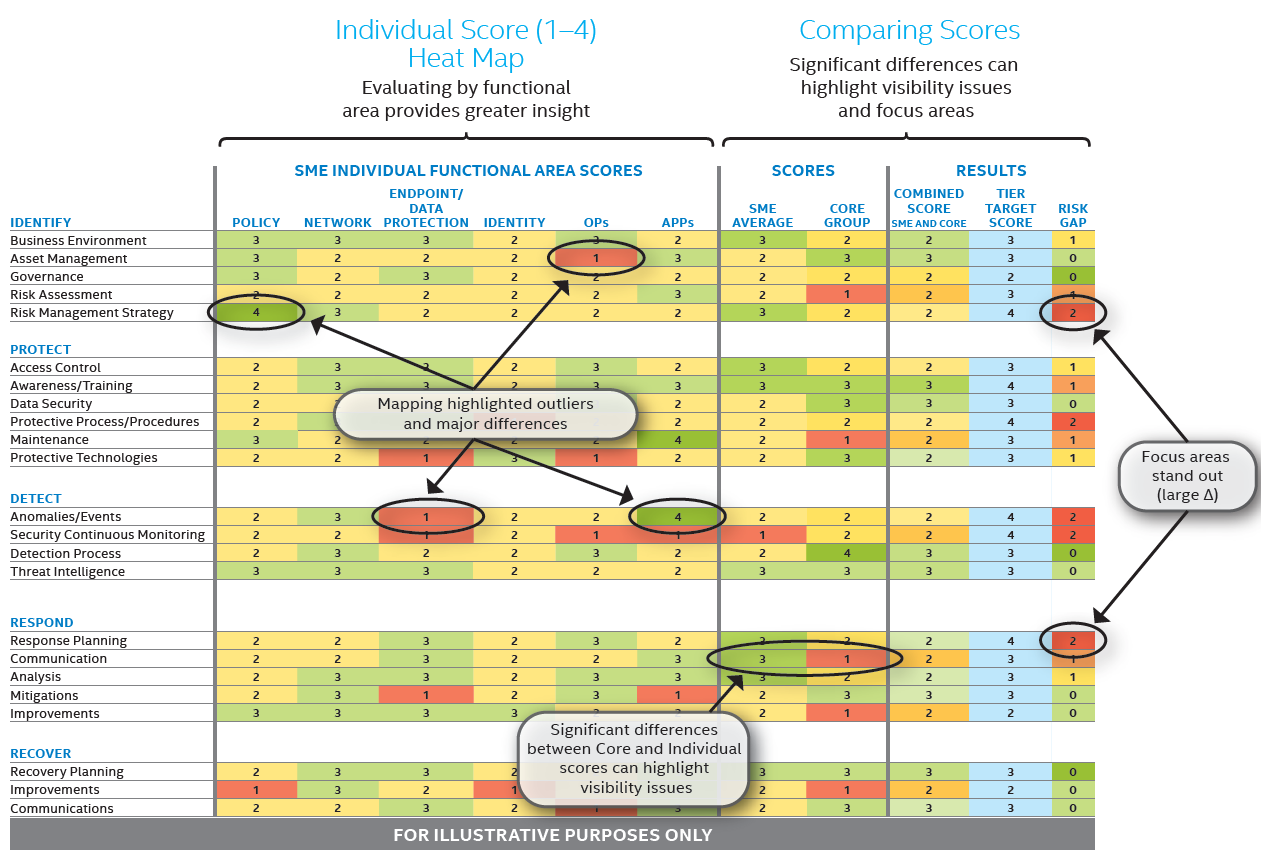
| − | + | https://www.nist.gov/sites/default/files/styles/1400_x_1400_limit/public/images/2018/02/06/intel_heatmap.png | |
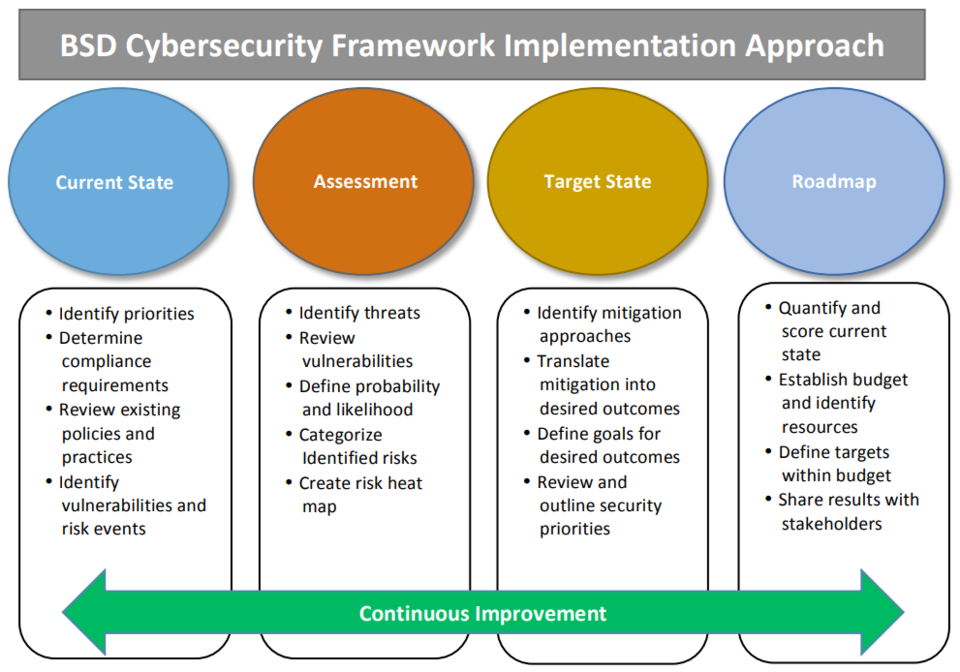
https://www.nist.gov/sites/default/files/styles/960_x_960_limit/public/images/2018/02/06/uoc_process.png | https://www.nist.gov/sites/default/files/styles/960_x_960_limit/public/images/2018/02/06/uoc_process.png | ||
=== Other Cybersecurity === | === Other Cybersecurity === | ||
| − | * [ | + | * [https://www.cfr.org/report/increasing-international-cooperation-cybersecurity-and-adapting-cyber-norms Increasing International Cooperation in Cybersecurity and Adapting Cyber Norms] |
| − | * [ | + | * [https://www.youtube.com/watch?v=GqmQg-cszw4&list=PLUl4u3cNGP62K2DjQLRxDNRi0z2IRWnNh&index=1 Cybersecurity Systems Security | MIT] |
| − | * [ | + | * [https://www.cio.com/article/2600345/security0/11-steps-attackers-took-to-crack-target.html 11 Steps Attackers Took to Crack Target - stolen credentials of an HVAC vendor | CIO] |
Revision as of 08:20, 28 March 2023
- Case Studies
- Cybersecurity References
- Offense - Adversarial Threats/Attacks
- Capabilities
- Trusted AI
- NIST Cybersecurity Framework - consists of standards, guidelines, and best practices to manage cybersecurity-related risk.
- NIST FedRAMP security for the cloud
- United States Computer Emergency Readiness Team (US-CERT)
- Cybersecurity Reference Architecture | Microsoft
- ISO/IEC 15408-1 ISO/IEC Information Technology Task Force (ITTF)
- FIPS 140-2 Security Requirements for Cryptographic Modules
- How STIX, TAXII and CybOX Can Help With Standardizing Threat Information
- OASIS Cyber Threat Intelligence (CTI) TC OpenC2
- Using the Cybersecurity Framework
Not necessarily restricted to artificial intelligence-based solutions.
|
|
|
|
|
|
|
|
Trusted Internet Connections (TIC) 3
- Trusted Internet Connections | Cybersecurity & Infrastructure Security Agency, Department of Homeland Security (DHS)
|
|
Zero Trust
|
|
|
|