Difference between revisions of "Cybersecurity Frameworks, Architectures & Roadmaps"
| Line 28: | Line 28: | ||
https://www.nist.gov/sites/default/files/styles/960_x_960_limit/public/images/2018/02/06/uoc_process.png | https://www.nist.gov/sites/default/files/styles/960_x_960_limit/public/images/2018/02/06/uoc_process.png | ||
| + | |||
| + | === Other Cybersecurity === | ||
| + | * [http://www.cfr.org/report/increasing-international-cooperation-cybersecurity-and-adapting-cyber-norms Increasing International Cooperation in Cybersecurity and Adapting Cyber Norms] | ||
| + | * [http://www.youtube.com/watch?v=GqmQg-cszw4&list=PLUl4u3cNGP62K2DjQLRxDNRi0z2IRWnNh&index=1 Cybersecurity Systems Security | MIT] | ||
| + | * [http://www.cio.com/article/2600345/security0/11-steps-attackers-took-to-crack-target.html 11 Steps Attackers Took to Crack Target - stolen credentials of an HVAC vendor | CIO] | ||
Revision as of 10:25, 18 July 2018
- Cybersecurity References
- Defense - Anomaly Detection
- Offense - Adversarial Threats/Attacks
- Government Services
- Capabilities
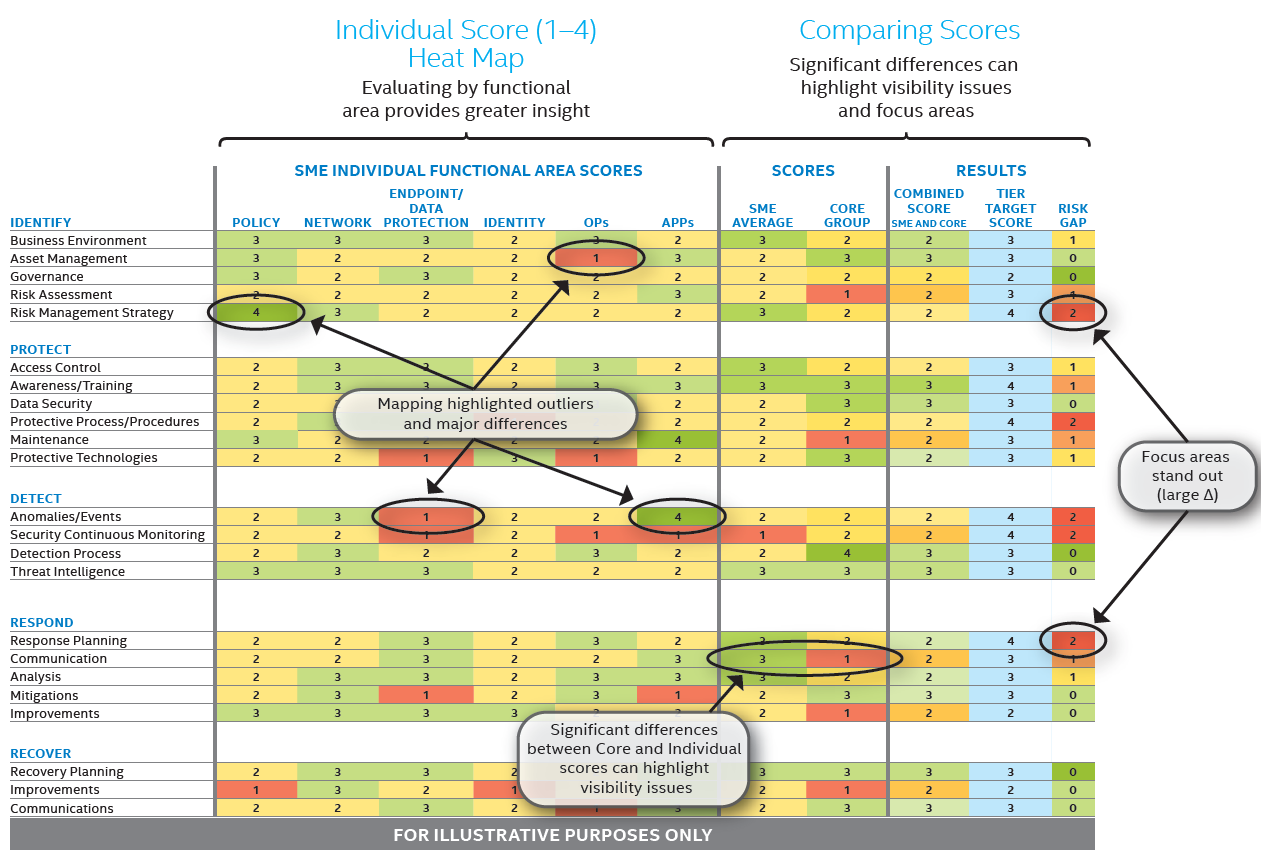
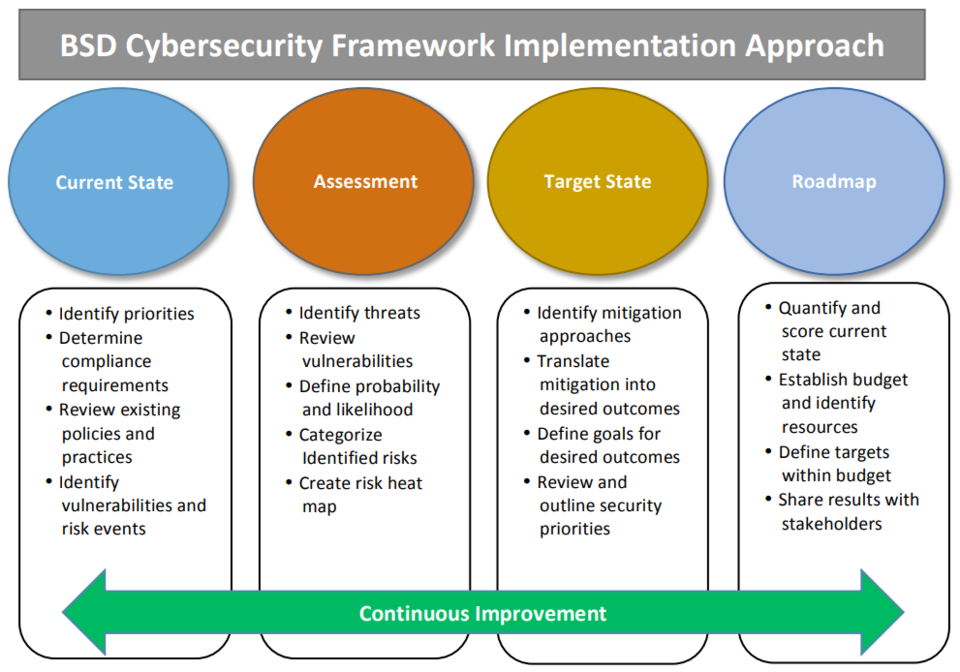
- NIST Cybersecurity Framework - consists of standards, guidelines, and best practices to manage cybersecurity-related risk.
- NIST FedRAMP security for the cloud
- United States Computer Emergency Readiness Team (US-CERT)
- Cybersecurity Reference Architecture | Microsoft
- ISO/IEC 15408-1 ISO/IEC Information Technology Task Force (ITTF)
- FIPS 140-2 Security Requirements for Cryptographic Modules
- How STIX, TAXII and CybOX Can Help With Standardizing Threat Information
- OASIS Cyber Threat Intelligence (CTI) TC
- Using the Cybersecurity Framework
Not necessarily restricted to artificial intelligence-based solutions.