Difference between revisions of "Cybersecurity Frameworks, Architectures & Roadmaps"
m |
m |
||
| Line 21: | Line 21: | ||
Not necessarily restricted to artificial intelligence-based solutions. | Not necessarily restricted to artificial intelligence-based solutions. | ||
| + | {|<!-- T --> | ||
| + | | valign="top" | | ||
| + | {| class="wikitable" style="width: 550px;" | ||
| + | || | ||
| + | <youtube>ID1</youtube> | ||
| + | <b>J9ToNuwmyF0 | ||
| + | </b><br>Learn more about why organizations of all sizes and types should be using NIST’s voluntary Cybersecurity Framework, which is based on existing standards, guidelines, and best practices. Created through collaboration between industry, academia and government, the flexible Framework helps organizations manage their cybersecurity-related risk. | ||
| + | |} | ||
| + | |<!-- M --> | ||
| + | | valign="top" | | ||
| + | {| class="wikitable" style="width: 550px;" | ||
| + | || | ||
| + | <youtube>u-EQHbqWY60</youtube> | ||
| + | <b>How to Plan for and Implement a Cybersecurity Strategy | ||
| + | </b><br>Planning and implementing a security strategy to protect a hybrid of on-premises and cloud assets against advanced cybersecurity threats is one of the greatest challenges facing information security organizations today. Join Lex Thomas as he welcomes back Mark Simos to the show as they discuss how Microsoft has built a robust set of strategies and integrated capabilities to help you solve these challenges so that you can build a better understanding how to build an identity security perimeter around your assets. What does a Cybersecurity architecture guide look like? What does the Cybersecurity landscape look like? What does the evolution of IT and Microsoft Security look like? What does a platform security approach look like? Can you describe the benefits of an Integrated Security Experience? How do you measure security success? | ||
| + | |} | ||
| + | |}<!-- B --> | ||
{|<!-- T --> | {|<!-- T --> | ||
| valign="top" | | | valign="top" | | ||
Revision as of 19:17, 7 September 2020
- Case Studies
- Cybersecurity References
- Offense - Adversarial Threats/Attacks
- Capabilities
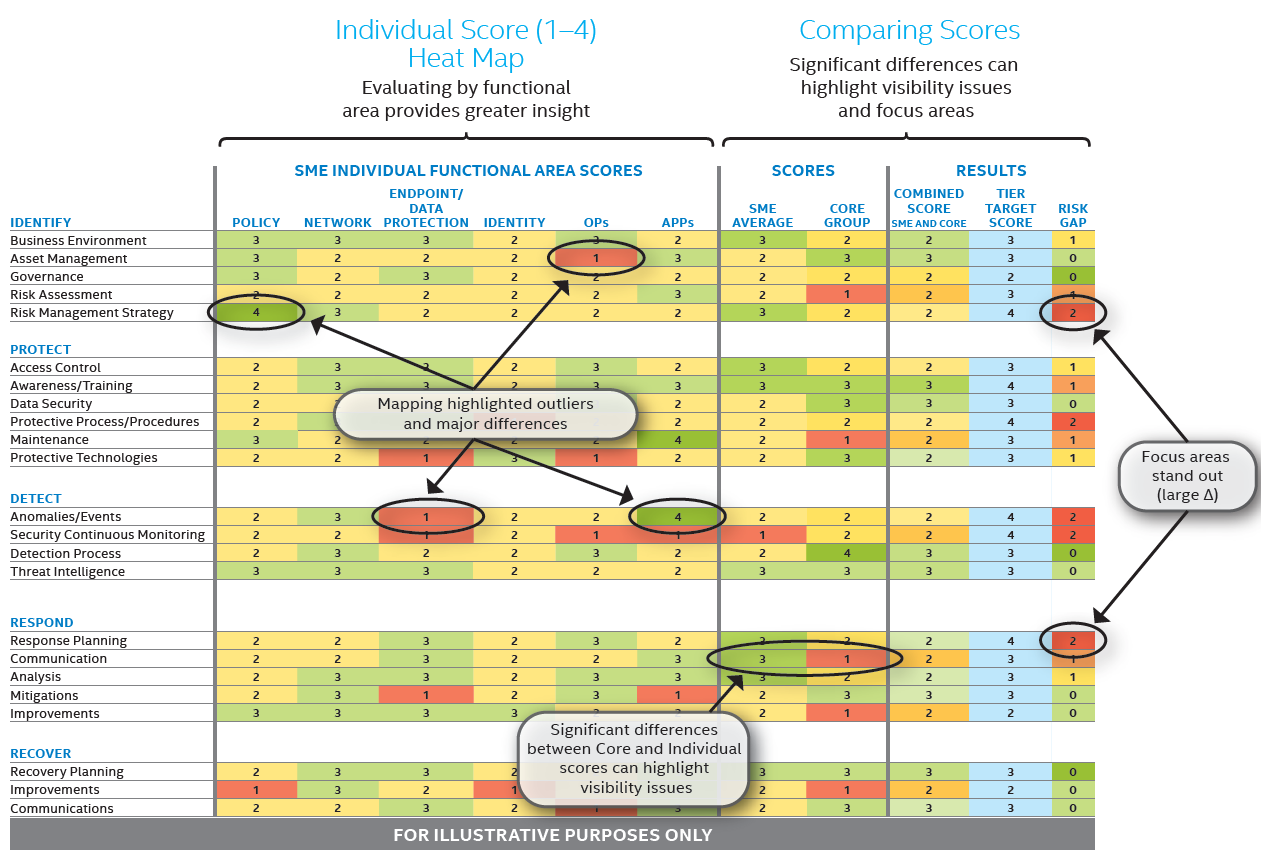
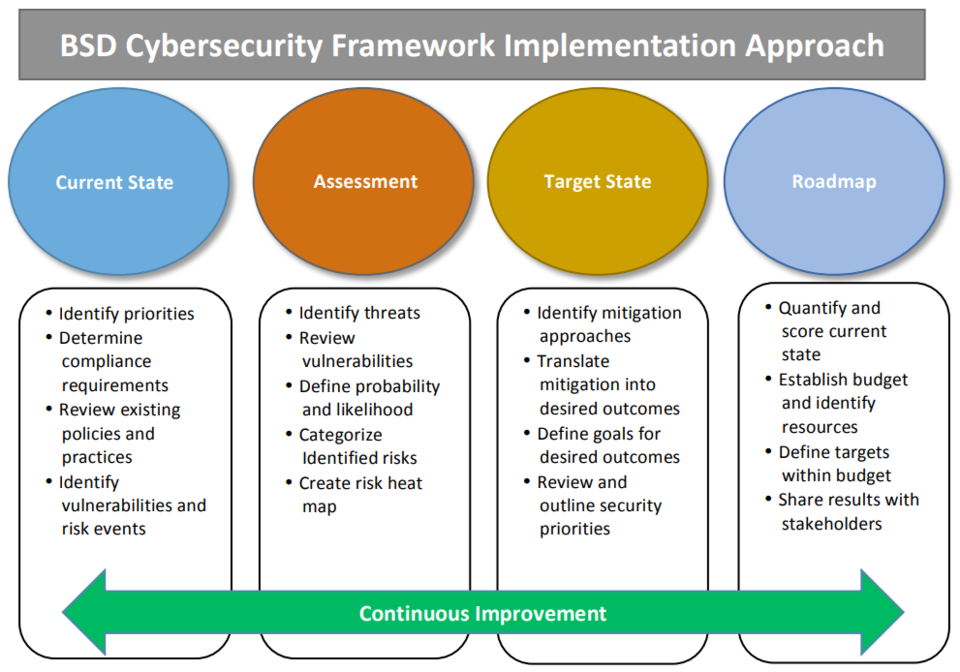
- NIST Cybersecurity Framework - consists of standards, guidelines, and best practices to manage cybersecurity-related risk.
- NIST FedRAMP security for the cloud
- United States Computer Emergency Readiness Team (US-CERT)
- Cybersecurity Reference Architecture | Microsoft
- ISO/IEC 15408-1 ISO/IEC Information Technology Task Force (ITTF)
- FIPS 140-2 Security Requirements for Cryptographic Modules
- How STIX, TAXII and CybOX Can Help With Standardizing Threat Information
- OASIS Cyber Threat Intelligence (CTI) TC OpenC2
- Using the Cybersecurity Framework
Not necessarily restricted to artificial intelligence-based solutions.
|
|
|
|
|
|