Difference between revisions of "Cybersecurity Frameworks, Architectures & Roadmaps"
| Line 7: | Line 7: | ||
* [[Capabilities]] | * [[Capabilities]] | ||
* [http://www.nist.gov/cyberframework NIST Cybersecurity Framework] - consists of standards, guidelines, and best practices to manage cybersecurity-related risk. | * [http://www.nist.gov/cyberframework NIST Cybersecurity Framework] - consists of standards, guidelines, and best practices to manage cybersecurity-related risk. | ||
| + | * [http://www.fedramp.gov/ NIST FedRAMP] security for the cloud | ||
* [http://www.us-cert.gov/ United States Computer Emergency Readiness Team (US-CERT)] | * [http://www.us-cert.gov/ United States Computer Emergency Readiness Team (US-CERT)] | ||
* [http://mva.microsoft.com/en-US/training-courses/cybersecurity-reference-architecture-17632?l=sa3b33xtD_404300474 Cybersecurity Reference Architecture | Microsoft] | * [http://mva.microsoft.com/en-US/training-courses/cybersecurity-reference-architecture-17632?l=sa3b33xtD_404300474 Cybersecurity Reference Architecture | Microsoft] | ||
Revision as of 19:27, 17 July 2018
- Cybersecurity References
- Defense - Anomaly Detection
- Offense - Adversarial Threats/Attacks
- Government Services
- Capabilities
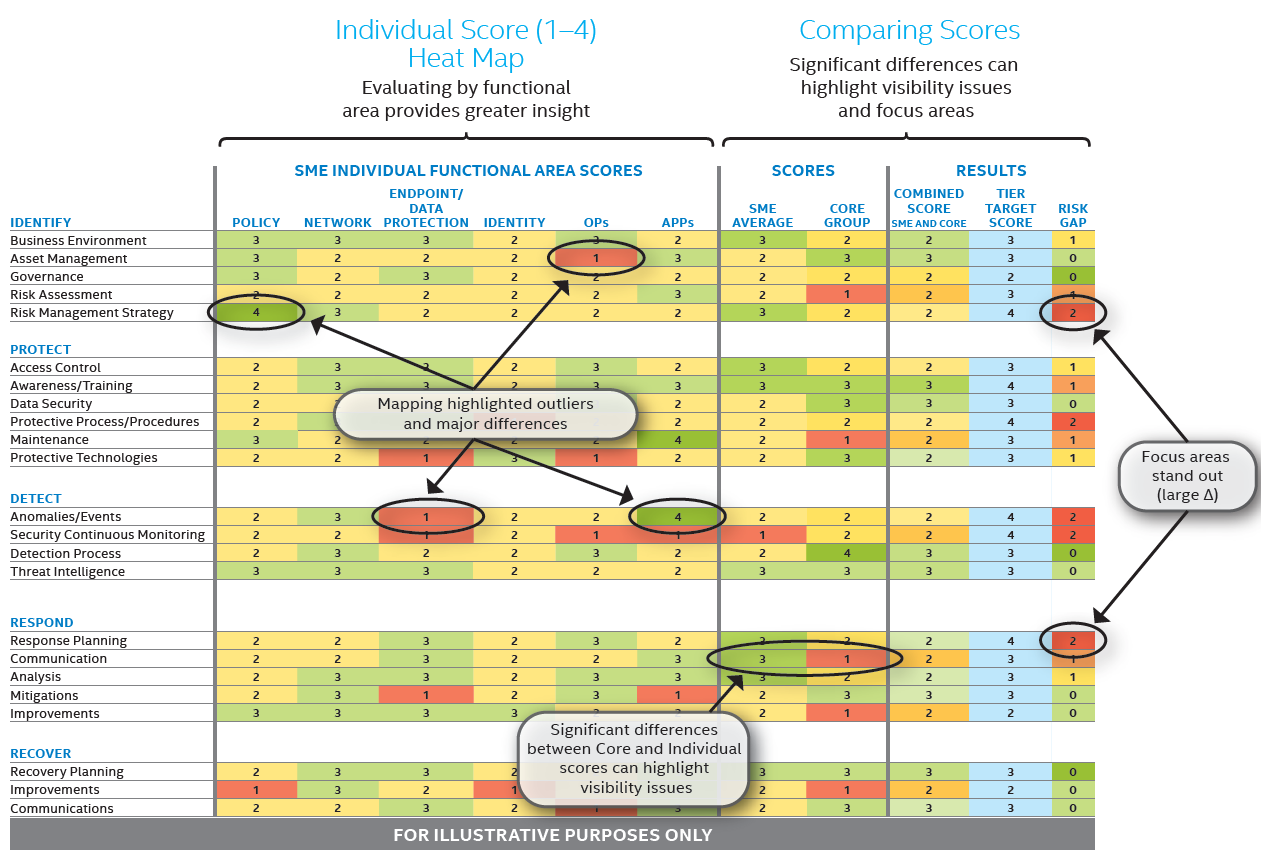
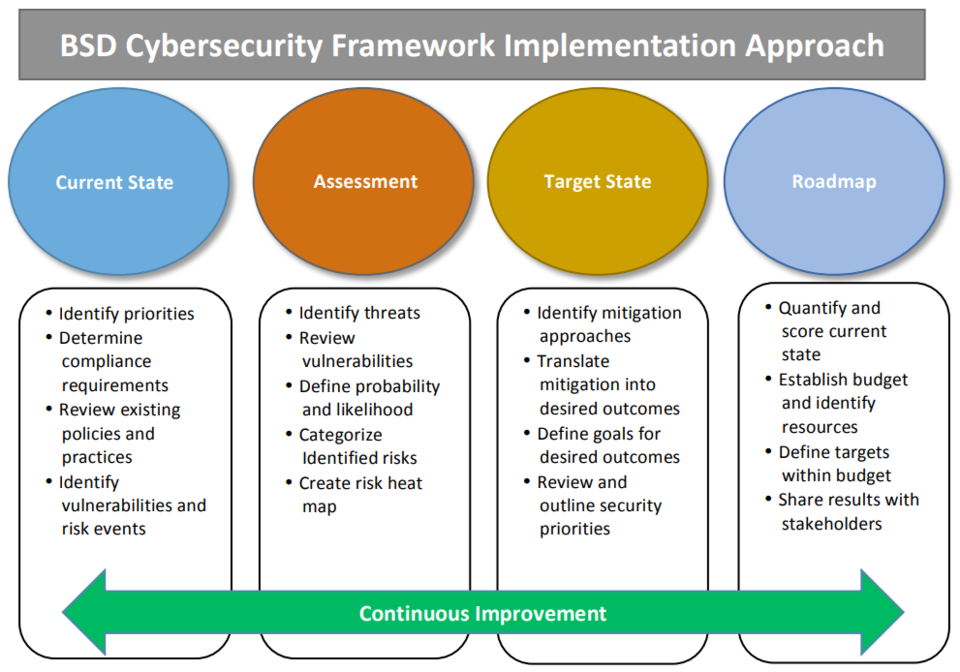
- NIST Cybersecurity Framework - consists of standards, guidelines, and best practices to manage cybersecurity-related risk.
- NIST FedRAMP security for the cloud
- United States Computer Emergency Readiness Team (US-CERT)
- Cybersecurity Reference Architecture | Microsoft
- ISO/IEC 15408-1 ISO/IEC Information Technology Task Force (ITTF)
- FIPS 140-2 Security Requirements for Cryptographic Modules
- How STIX, TAXII and CybOX Can Help With Standardizing Threat Information
- OASIS Cyber Threat Intelligence (CTI) TC
- Using the Cybersecurity Framework
Not necessarily restricted to artificial intelligence-based solutions.